
How to Advance Your Trucking Career After Getting Your AZ License
January 21, 2026
Why Choose an AZ Driver Program in Pickering for Your Trucking Career
February 24, 2026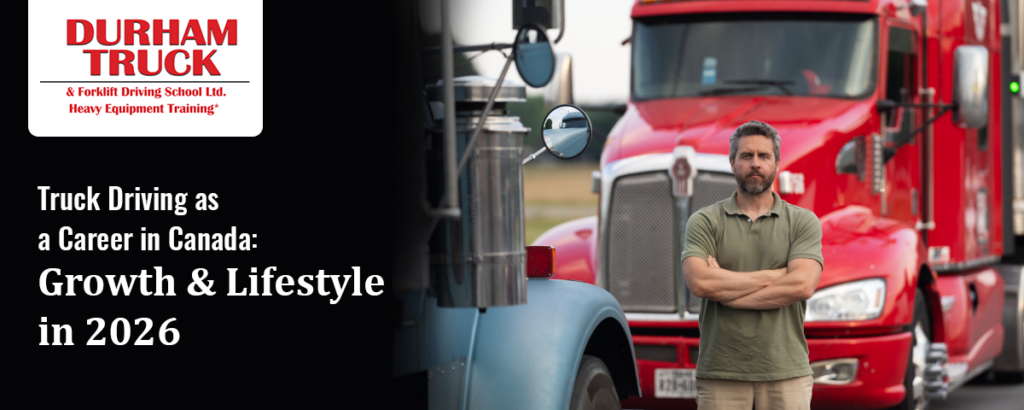
Truck driving continues to play a critical role in Canada’s economy, and in 2026, it stands out as one of the most reliable and in-demand career options in the country. With the rapid expansion of e-commerce, infrastructure development, and cross-border trade, trucking has evolved into a stable profession offering strong income potential and flexible lifestyle choices.
For individuals seeking long-term job security without the burden of university debt, truck driving presents a practical and rewarding career path.
The Importance of Truck Driving in Canada’s Economy
Truck drivers are the backbone of Canada’s supply chain. Nearly everything Canadians use daily—food, fuel, medical supplies, building materials, and retail products—relies on trucking for transportation. From major cities to remote communities, truck drivers ensure goods move efficiently across provinces and borders.
In 2026, trucking remains essential due to Canada’s vast geography and dependence on road freight. Rail and air transport cannot fully replace the flexibility and reach that trucking provides, making professional drivers indispensable to national and regional logistics.
Why Truck Driving Demand Is Increasing in 2026
The demand for truck drivers in Canada continues to rise due to several long-term economic and demographic factors.
One of the biggest drivers of growth is the expansion of e-commerce and last-mile delivery services. Online shopping has become a permanent part of consumer behavior, increasing freight volume across local, regional, and long-haul routes. Every online purchase requires multiple stages of transportation, all of which depend on truck drivers.
Another major factor is the aging workforce. A significant portion of Canada’s current truck drivers are nearing retirement age. As experienced drivers leave the industry, employers are actively seeking new, qualified drivers to fill the gap. This has led to higher wages, better benefits, and improved working conditions.
Additionally, ongoing infrastructure projects and construction across Canada continue to fuel demand for specialized trucking services. From highway expansion to residential and commercial development, truck drivers are essential to keeping these projects moving forward.
Job Stability and Long-Term Security in Truck Driving
Truck driving training is widely considered one of the most recession-resistant careers in Canada. Even during economic slowdowns, essential goods must continue to move. Food, fuel, healthcare supplies, and retail products are always in demand, ensuring consistent work for qualified drivers.
In 2026, trucking offers strong job security because it cannot be easily automated or outsourced. While technology supports drivers through safety and navigation systems, the profession still requires skilled human decision-making, especially in complex driving conditions and cross-border operations.
Truck Driver Salary in Canada in 2026
Truck driver earnings in Canada have steadily increased due to ongoing driver shortages and rising freight demand. In 2026, salaries vary based on experience, route type, and specialization.
Many trucking companies now offer performance bonuses, sign-on incentives, benefits packages, and paid training. For motivated drivers, trucking provides a clear path to higher earnings without requiring years of formal education.
Understanding the Truck Driver Lifestyle
The truck driving lifestyle in 2026 is far more flexible and modern than many people expect. Lifestyle largely depends on the type of driving role a driver chooses.
Long-haul drivers typically travel across provinces or international borders and may spend extended periods on the road. While this requires time away from home, it often comes with higher pay and fewer daily living expenses. Modern sleeper trucks are designed for comfort, featuring improved seating, climate control, and advanced safety systems.
Local and regional drivers, on the other hand, enjoy more predictable schedules and frequent home time. These roles are ideal for individuals who value routine and family life while still earning a competitive income.
Work-Life Balance in the Trucking Industry
Work-life balance has become a major focus for trucking employers across Canada. In response to driver shortages, many companies have redesigned schedules to improve quality of life.
In 2026, drivers can find opportunities that offer dedicated routes, shorter shifts, flexible workweeks, and guaranteed home time. This shift has made trucking more appealing to younger drivers and those seeking a sustainable long-term career.
Training and Licensing Requirements in Canada
To become a professional truck driver in Canada, individuals must meet specific licensing and training requirements. Most provinces require completion of a government-approved training program, such as Mandatory Entry-Level Training (MELT).
MELT programs focus on safety, vehicle control, and real-world driving skills. In 2026, employers strongly prefer MELT-certified drivers, as the training ensures consistent standards and better on-road performance.
Once licensed, drivers can pursue additional endorsements or specializations to increase earning potential and career flexibility.
Career Growth and Advancement Opportunities
Truck driving offers more career growth than many people realize. Drivers are not limited to one role for their entire career.
With experience, drivers can move into specialized trucking roles such as tanker hauling, flatbed transport, or oversized load operations. These positions often come with higher pay and unique challenges.
Some drivers choose to become owner-operators, running their own trucking business and working independently. Others transition into dispatcher roles, driver training, safety management, or fleet operations, allowing them to stay in the industry without full-time driving.
Truck Driving as a Career for Newcomers to Canada
Truck driving continues to be a popular career choice for newcomers to Canada. The profession is skill-based, in high demand, and offers faster entry compared to many traditional careers.
With proper training and licensing, newcomers can secure stable employment and competitive income without needing Canadian work experience in other fields. Many trucking schools and employers also provide job placement support, making the transition smoother.
Technology and Safety Advancements in 2026
The trucking industry has embraced technology to improve safety, efficiency, and driver comfort. In 2026, most commercial fleets will use advanced tools such as GPS route optimization, electronic logging devices, and collision avoidance systems.
These technologies reduce driver fatigue, improve compliance, and create a safer working environment. Rather than replacing drivers, technology supports them in performing their job more effectively.
Is Truck Driving Worth It in 2026?
For many Canadians, truck driving remains a smart and practical career choice. It offers strong earning potential, job security, flexible lifestyle options, and long-term growth opportunities.
In an uncertain job market, trucking stands out as a profession that continues to grow and adapt. With the right training and commitment, drivers can build a stable and rewarding career. Contact us for more information
Conclusion: The Future of Truck Driving in Canada
As Canada’s economy continues to expand, the need for skilled truck drivers will remain strong well beyond 2026. Truck driving offers a unique combination of stability, income potential, and lifestyle flexibility that few other careers can match.
For those willing to invest in training and take the wheel, truck driving is more than just a job—it is a future-proof career that keeps Canada moving.
Frequently Asked Questions (FAQs)
Is truck driving a good career in Canada in 2026?
Yes, truck driving is a high-demand and stable career in Canada with strong job security and earning potential in 2026.
How much do truck drivers earn in Canada?
Most truck drivers earn between $55,000 and $100,000+ per year, depending on experience and route type.
Which truck driving job offers the best work-life balance?
Local and regional truck driving jobs offer the best work-life balance with regular home time.
Do I need experience to become a truck driver?
No, you only need to complete an approved training program and obtain the required licence.
How long does it take to become a truck driver in Canada?
Most truck driver training programs take 8 to 12 weeks to complete.
Is truck driving suitable for newcomers to Canada?
Yes, truck driving is a popular career choice for newcomers due to high demand and quick entry.
What licence is required for truck driving in Canada?
An AZ (Class 1) licence is required to drive tractor-trailers in most provinces.
Is truck driving physically demanding?
Modern trucks and safety technology make truck driving less physically demanding than in the past.

Durham Truck & Forklift Driving School Ltd is registered under the Ontario Career Colleges Act, 2005. We are one of the Durham region’s most experienced and respected transport driver training schools.