
Benefits of Forklift Training Certification for Your Career
September 30, 2025
How Much Does a Truck Driver Make in Canada?
October 27, 2025
If you have ever dreamed of hitting the open road in a big rig or starting a lucrative career in the trucking industry, getting your truck license in Ontario is your first step. Truck driving is one of the most in-demand professions in Canada, with thousands of new drivers needed every year to meet growing transportation and logistics demands.
1. Why Become a Truck Driver in Ontario?
Before diving into the process, let us look at why becoming a truck driver is such a rewarding career choice:
- High Demand: Ontario’s trucking industry faces an ongoing shortage of drivers, ensuring steady job opportunities.
- Attractive Pay: Entry-level drivers can earn between $50,000–$70,000 annually, with experienced drivers making over $100,000.
- Job Stability: Almost every industry relies on trucking, offering long-term job security.
- Flexible Work Options: Choose between local, regional, or long-haul routes depending on your lifestyle preferences.
2. Understanding Ontario Truck License Classes
Ontario’s Ministry of Transportation (MTO) offers several types of commercial driver’s licenses depending on the vehicle you want to operate.
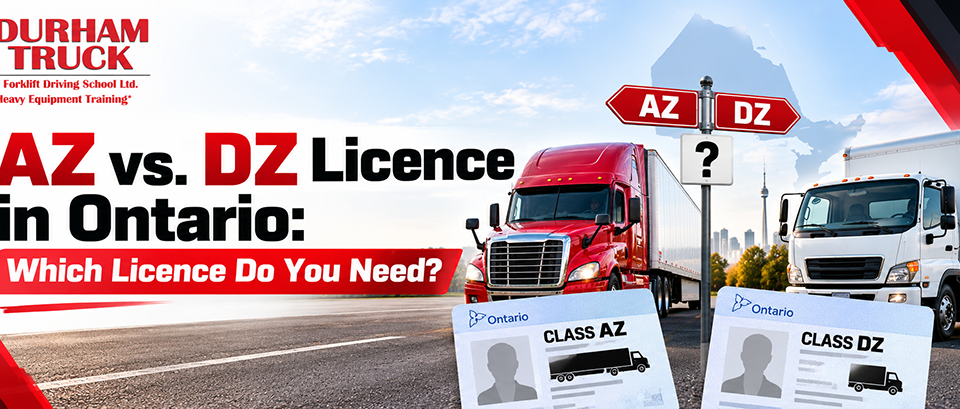
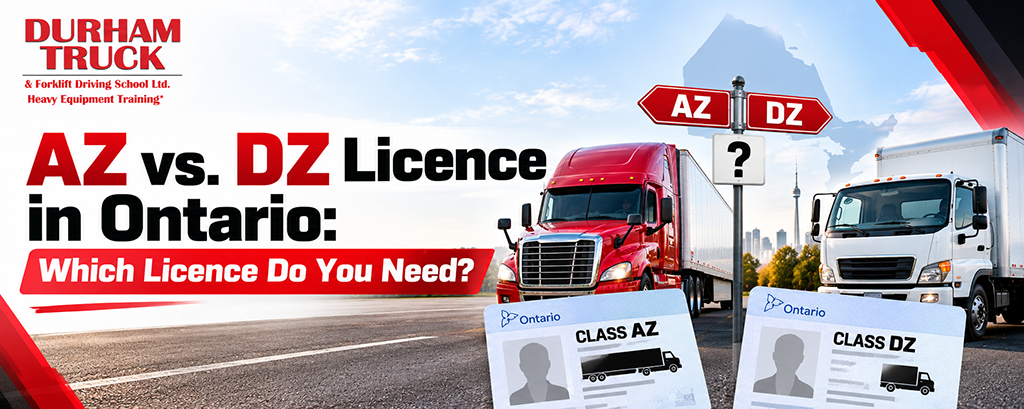
Class A License (Full A License)
This is the most popular truck license in Ontario. It allows you to drive:
- Any tractor-trailer combination
- A vehicle pulling a towed vehicle exceeding 4,600 kg (10,000 lbs)
- Any vehicle in Class D or G
Career Options: Long-haul truck driver, transport driver, heavy freight operator.
Restricted Class A (AR License)
This license allows you to drive automatic transmission trucks but not full tractor-trailers or those with full air brakes.
Class D License
A Class D license lets you operate:
- Straight trucks over 11,000 kg (24,000 lbs)
- Towed vehicles under 4,600 kg (10,000 lbs)
Career Options: Delivery driver, dump truck operator, moving truck driver.
If you plan to drive vehicles with air brakes, you will also need a Z endorsement.
3. Step-by-Step Process to Get a Truck License in Ontario
Let’s break down the step-by-step process to obtain your truck license:
Step 1: Meet the Basic Eligibility Requirements
Before you apply, make sure you meet these conditions set by the Ministry of Transportation (MTO):
- Be at least 18 years old
- Hold a valid Ontario Class G license or higher
- Be a Canadian citizen, permanent resident, or have valid work authorization
- Be physically fit and meet medical standards
- Have a clean driving record
Step 2: Pass a Medical Exam
All aspiring truck drivers must complete a medical examination by a physician or nurse practitioner.
Your doctor will assess:
- Vision
- Hearing
- Blood pressure
- Overall physical and mental fitness
They will then complete the MTO Medical Report Form, which you must submit before writing your knowledge test.
Step 3: Prepare for the Knowledge Test
Once your medical is approved, it is time to prepare for the written knowledge test.
You will be tested on:
- Traffic laws and regulations
- Safe driving practices
- Air brake systems (if you plan to get a Z endorsement)
- Vehicle inspection and maintenance
Study Tip:
Get a copy of the Official MTO Truck Handbook, which covers everything you need to know for the written test.
Step 4: Take the Knowledge Test
You can take your knowledge test at any DriveTest Center in Ontario.
What to bring:
- Your Ontario driver’s license
- Medical report (if required)
- Test fee payment
Once you pass, you will receive your commercial learner’s permit, allowing you to begin training with an instructor.
Step 5: Complete Mandatory Entry-Level Training (MELT)
In Ontario, anyone applying for a Class A or Class D license must complete Mandatory Entry-Level Training (MELT) from an MTO-approved truck driving school.
Minimum MELT requirements for Class A:
- 103.5 hours of instruction, including:
- 36.5 hours in-class
- 17 hours in-yard training
- 50 hours on-road driving
Why MELT Matters:
This program ensures all new drivers have the skills, knowledge, and confidence to operate large commercial vehicles safely.
Choosing the Right Truck Driving School:
- Ensure the school is MTO-approved
- Look for experienced instructors and modern equipment
- Check job placement assistance for graduates
Step 6: Practice Your Driving Skills
Hands-on training will cover essential driving skills such as:
- Pre-trip inspections
- Coupling and uncoupling trailers
- Shifting gears
- Backing up and parking
- Defensive driving and road safety
It is highly recommended to practice regularly before taking your road test.
Step 7: Schedule and Pass the Road Test
Once your training is complete, you can schedule your road test at a DriveTest Center.
The test includes:
- Pre-trip inspection demonstration
- Coupling/uncoupling procedures
- On-road driving test (urban, highway, and yard maneuvers)
Pro Tip: Bring your training vehicle to the test and ensure it meets MTO standards.
Upon passing, you will officially earn your truck license — congratulations!
4. Costs of Getting a Truck License in Ontario
Here’s a breakdown of approximate costs:
| Expense | Estimated Cost (CAD) |
| Medical Exam | $100 – $150 |
| MTO Knowledge Test | $23 |
| Class A Road Test | $120 – $150 |
| MELT Training Program | $6,000 – $10,000 |
| Air Brake (Z) Endorsement | $200 – $400 |
| License Issuance Fee | $90 |
Some trucking schools offer financing options or government grants, so be sure to ask about financial assistance.
5. Getting a Job After You Get Your Truck License
Once you have earned your Class A or D license, you can start applying for jobs in the trucking industry.
Popular Trucking Career Paths:
- Long-haul driver (Canada and U.S. routes)
- Local delivery driver
- Dump truck or construction vehicle driver
- Freight or logistics operator
Many reputable trucking schools have partnerships with carriers and offer job placement programs to help graduates land their first position.
6. Tips to Succeed as a New Truck Driver
Starting your trucking career can be exciting yet challenging. Here are some tips for success:
- Stay Organized: Keep logs, fuel receipts, and route documents up to date.
- Follow Safety Rules: Always perform pre-trip inspections and follow hours-of-service regulations.
- Be Patient: Long drives and schedules can be demanding — consistency pays off.
- Maintain Your Vehicle: Learn basic maintenance to reduce breakdowns and improve safety.
- Keep Learning: Attend refresher courses and stay updated on new MTO regulations.
7. Truck License Renewal and Maintenance
Truck licenses in Ontario must be renewed every five years, and a medical exam is required.
To maintain your license, you must:
- Submit updated medical reports
- Avoid license suspensions or major traffic violations
- Keep your driver’s abstract clean
If you plan to drive internationally (into the U.S.), ensure you meet cross-border compliance requirements, such as having a FAST card or passport.
8. Frequently Asked Questions
1. How long does it take to get a truck license in Ontario?
Typically, it takes 6–8 weeks to complete training and testing, depending on the school and your availability.
2. Can I get a truck license with a medical condition?
It depends on the condition. The MTO reviews each medical report individually to ensure safety standards are met.
3. Do I need to know how to drive a manual truck?
Yes, if you want a whole Class A license. If you take your road test on an automatic truck, you’ll receive a restricted (AR) license.
4. Is there financial assistance for truck driver training?
Yes, programs such as Second Career Ontario, EI training benefits, or private financing options can help cover training costs.
9. Final Thoughts
Getting your truck license in Ontario is an exciting pathway to a stable, high-paying, and rewarding career. While the process involves several steps — from medical exams and knowledge tests to training and road tests — the opportunities afterward make it worth the effort.
With the demand for skilled drivers at an all-time high, now is the perfect time to join the trucking industry. Whether you are looking for adventure on long-haul routes or steady local work, Ontario’s trucking sector offers a wide range of opportunities for motivated drivers. Contact us for more information.
Durham Truck & Forklift Driving School Ltd is registered under the Ontario Career Colleges Act, 2005. We are one of the Durham region’s most experienced and respected transport driver training schools.