How an AZ License Can Kickstart Your Trucking Career
August 6, 2025
Why You Need the Airbrake Z Endorsement for Your Trucking Career
September 8, 2025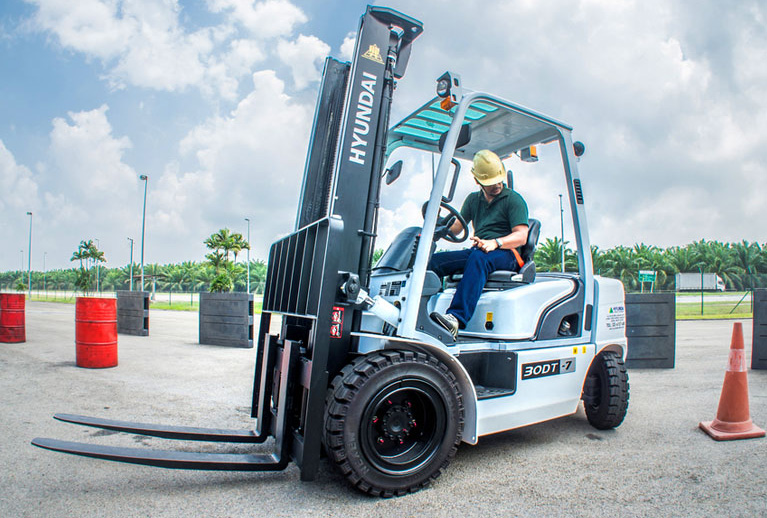
Forklifts are a vital part of many industries, from warehouses and construction sites to manufacturing plants and distribution centres. They make lifting, moving, and stacking heavy loads much easier and more efficient. However, operating a forklift requires skill, safety awareness, and proper certification — which is why enrolling in forklift training in Toronto can be a smart career move.
Before you sign up for training, it is essential to understand what forklifts are, how they work, and what you can expect during your learning journey.
Understanding Forklifts
A forklift is a powered industrial truck used to lift and transport materials over short distances. It consists of a power-operated forked platform that can be raised or lowered to insert under loads and move them.
Forklifts come in different shapes and sizes, each designed for specific tasks and environments. Common types include:
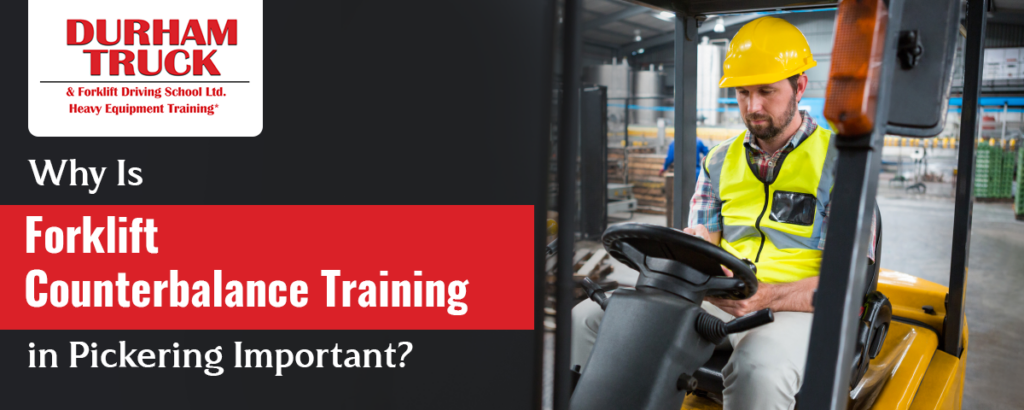
- Counterbalance forklifts – The most common type, ideal for general warehouse use.
- Reach trucks – Designed for narrow aisles and high shelves.
- Pallet jacks – Smaller machines used for moving pallets over short distances.
- Rough terrain forklifts – Built for outdoor construction and uneven surfaces.
Knowing the type of forklift you’ll be working with helps you prepare for training and ensures you choose the right certification program.
Key Components of Forklifts
Understanding a forklift’s main components is crucial before operating one. During forklift training in Toronto, instructors typically begin with a detailed breakdown of these parts, allowing you to identify them during inspections and maintenance.
- Mast – The vertical assembly that raises and lowers the load.
- Carriage – The part that supports the forks and attaches to the mast.
- Forks – The horizontal prongs used to lift and carry loads.
- Overhead guard – A safety feature protecting the operator from falling objects.
- Counterweight – Balances the load being lifted to prevent tipping.
- Tires – Different types (solid, pneumatic) depending on indoor or outdoor use.
- Operator’s compartment – Where the driver sits and controls the forklift.
- Hydraulic system – Powers the lifting and tilting mechanisms.
During training, you’ll learn not only what each part does but also how to inspect them before each shift to ensure safe operation.
Forklift Training in Toronto
If you plan to work in logistics, warehousing, or construction in Toronto, forklift certification is often mandatory. Local employers look for candidates who have completed recognized training programs that comply with Ontario’s health and safety regulations.
A typical forklift training program in Toronto covers:
- Classroom theory – Learning about forklift types, parts, and safety guidelines.
- Hands-on operation – Practicing driving, lifting, and manoeuvring under instructor supervision.
- Load handling – Understanding weight limits, load balance, and stacking.
- Safety compliance – Familiarizing yourself with Ontario’s Occupational Health and Safety Act (OHSA) requirements.
- Written and practical exams – Assessing both your theoretical knowledge and operational skills.
Many reputable training providers in Toronto offer flexible schedules, including weekend and evening classes, to accommodate working individuals.
Safety Considerations
Safety is the most important aspect of forklift operation. According to workplace safety statistics, forklift-related accidents can result in serious injuries or fatalities — most of which are preventable with proper training and education.
Key safety tips you will learn during training include:
- Pre-operation inspection – Checking brakes, steering, controls, warning devices, mast, and tires.
- Load limits – Never exceed the manufacturer’s recommended weight capacity.
- Speed control – Maintaining safe speeds, especially when turning or carrying loads.
- Awareness of surroundings – Watching for pedestrians, other vehicles, and obstacles.
- Proper load handling – Keeping loads low while moving and ensuring stability before lifting.
- Parking procedures – Lowering forks, setting the parking brake, and turning off the engine when not in use.
In Toronto, workplace safety laws require forklift operators to follow strict safety protocols. Employers can face fines or penalties for non-compliance, making certified training even more valuable.
Advanced Forklift Training and Continuing Education
Basic certification is just the starting point. As you gain experience, consider expanding your skills through advanced forklift training.
Advanced training can include:
- Specialized equipment certification – Such as order pickers, telehandlers, or high-reach forklifts.
- Supervisor Training – For individuals seeking to transition into leadership or safety roles.
- Refresher courses – Required periodically to maintain compliance with safety standards.
- Workplace-specific training – Tailored to the unique needs of a particular job site or industry.
Continuing education ensures that your skills remain sharp and up to date with evolving safety regulations and technological advancements.
Employability and Career Advancement
Forklift training opens the door to a wide range of job opportunities in Toronto and beyond. Certified forklift operators are in demand in industries such as:
- Warehousing and distribution
- Construction
- Manufacturing
- Retail and wholesale
- Recycling and waste management
With experience, you can move into higher-paying roles, such as shift supervisor, warehouse manager, or safety coordinator. Employers often prefer candidates who demonstrate both technical ability and a strong safety record.
Having multiple forklift certifications can also make you more competitive in the job market, as some companies require operators to handle various types of equipment.
Conclusion
Forklift training is more than just learning to drive — it is about mastering safety, understanding equipment, and preparing for a career in industries that keep Ontario’s economy moving.
At Durham Truck Training, you will get hands-on instruction, in-depth theory, and certification that meets provincial standards — all in a supportive, professional environment.
If you are ready to take the next step toward a stable, in-demand career, Durham Truck Training can help you get certified and job-ready with confidence.